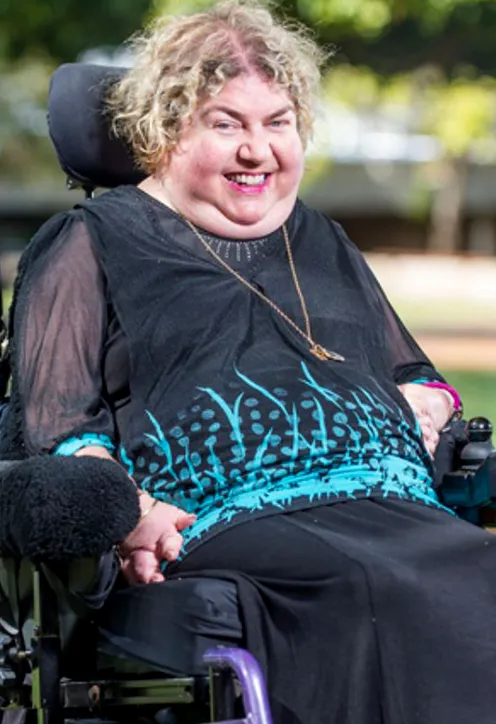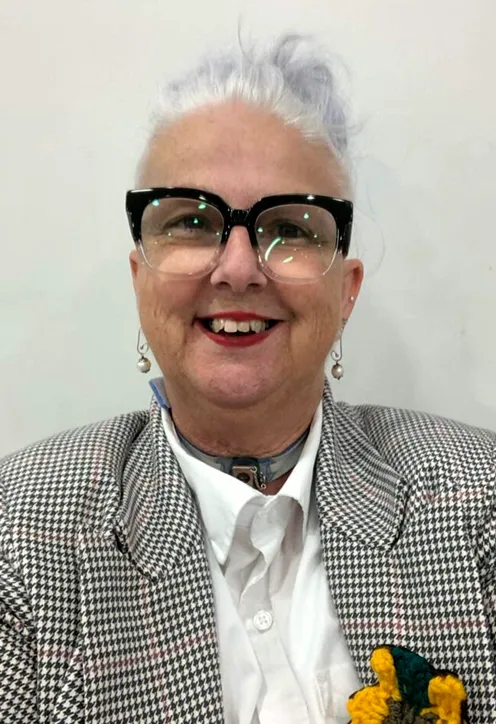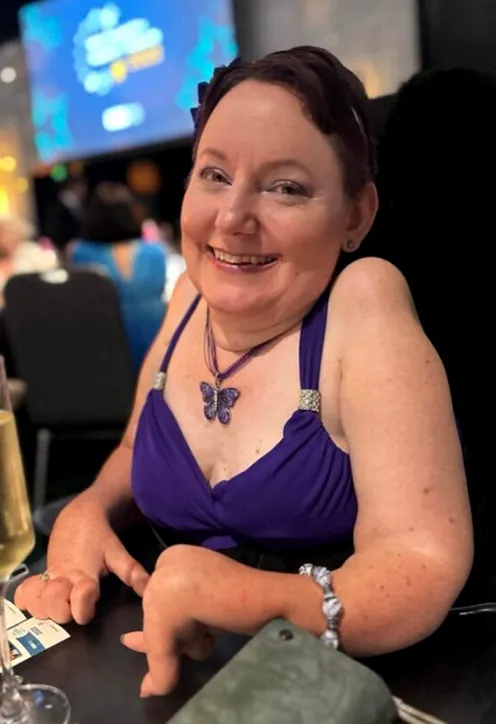
Together, we advocate, connect and create opportunities so every Australian living with a physical disability can reach their full potential.
Established in 1995, Physical Disability Australia (PDA) is a national peak Disability Peoples Organisation (DPO) run by people with physical disability for people with physical disability.
PDA exists for its members, who fuel our mission to “enable every Australian living with a physical disability to realise their full potential”.
Through our work, we advocate to government, create equal opportunities, promote diversity and inclusion and ensure that our values within the organisation (and our representation of Australians living with physical disability) are reflected, upheld and defended.
Established in 1995, PDA is one of a very small handful of Australian disability organisations that actually has members and board representation in every Australian state and territory. With physical disability affecting *76.8% of Australia’s disability community, our organisation represents the largest disability category in our country. It is this visible and all-encompassing national footprint that ensures PDA truly has its finger on the pulse of disability in our country. This unique representative stance provides us with a strong voice and position to ensure that our organisation and members are heard and part of Australia’s disability conversation.
Together with the support of our incredible members and the ongoing work of our Board, we will continue to shine as an informed, influential, visible, active and connected organisation that puts disability rights at the forefront of all that we do.
You can support Physical Disability Australia Ltd (PDA) in representing the interests and views of people with physical disability across Australia by making a donation
PDA appreciates all donations, no matter how big or small. These donations will assist in furthering the work or PDA and allow us to advocate further for the interests and views of people with physical disability in Australia, to be heard by all decision makers at all levels.
All donations to PDA are tax deductible in Australia as PDA has Deductable Gift Recipient (DGR) status.
If you wish to receive a receipt, please let us know by emailing manager@pda.org.au or calling 1800 PDA ORG (1800 732 674)
Did you know that 15% of Australians aged 0 – 64 years have a disability, compared with 52.3% of Australians aged 65 and over?
Did you know that physical disability covers a wide range of conditions, including mobility limitations, chronic pain, loss of limb use, breathing difficulties and repetitive strain or musculoskeletal disorders, and not all physical disabilities are visible?
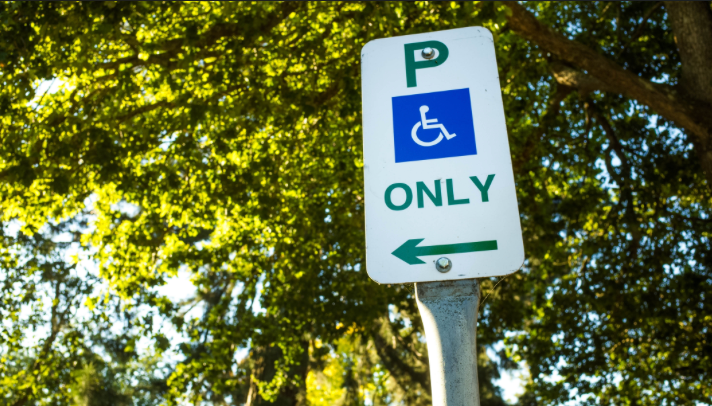
Did you know that the application of universal principles in infrastructure, transport and services reduces environmental barriers and promotes equitable access and social inclusion for people with physical disability?
A physical disability is a long-term or permanent condition that limits a person’s bodily functioning, mobility, stamina, or dexterity.
Referring to any condition affecting a person’s ability to move or to control their body movements, physical disability affects how individuals interact with their environment. It can stem from genetic causes, congenital issues (structural or functional abnormalities present at or before birth), injury, illness or aging.
The impact of a physical disability can vary significantly from one person to another, as there are many different types and causes. People living with a physical disability also experience differing degrees of difficulty with movement, depending on the specific nature and extent of their condition.
Physical disability can be visible and invisible; a person’s disability may not be obvious, but that does not mean it doesn’t exist (such as chronic pain, rheumatoid arthritis etc).
Physical disability can include a range of movement-related challenges. These may involve paralysis, problems with muscle tone, reduced balance, and a decreased ability to perform larger, gross motor movements.
Additionally, there can be a reduced ability to make smaller or more precise movements. Each individual’s experience will differ, reflecting the diversity of conditions that fall under the umbrella of physical disability.
People living with physical disability may also identify with one or more other types of disability.
There are several common causes of physical disability. These include acquired brain injuries (such as those resulting from a stroke), spinal cord injuries, cerebral palsy, spina bifida, loss of limbs, and muscular dystrophy. The way in which physical disability affects movement varies, reflecting the broad range of underlying causes.
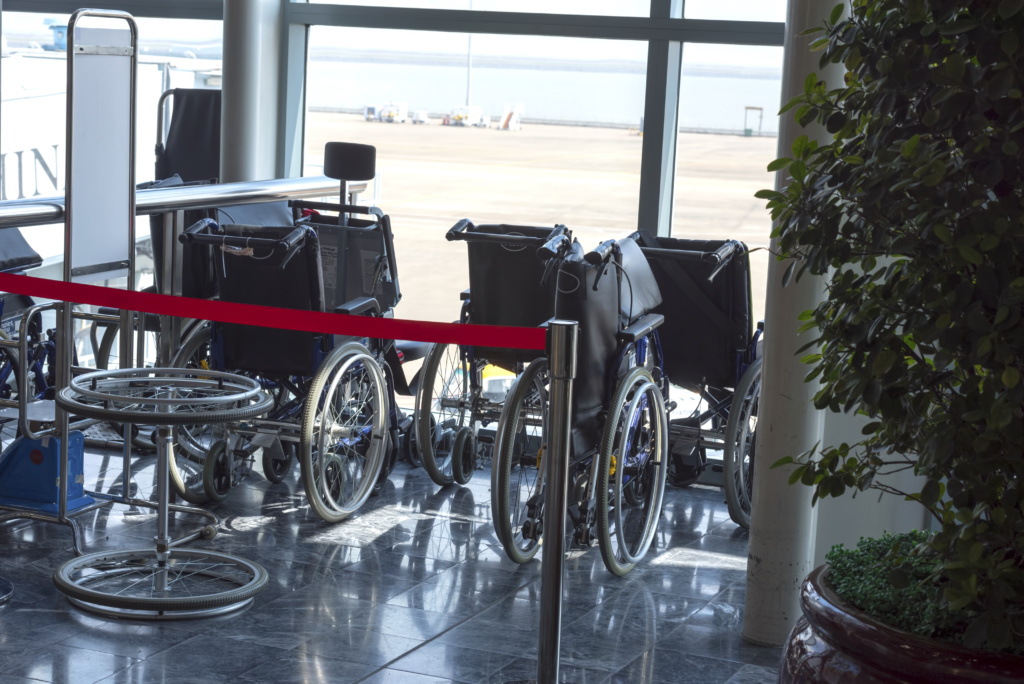
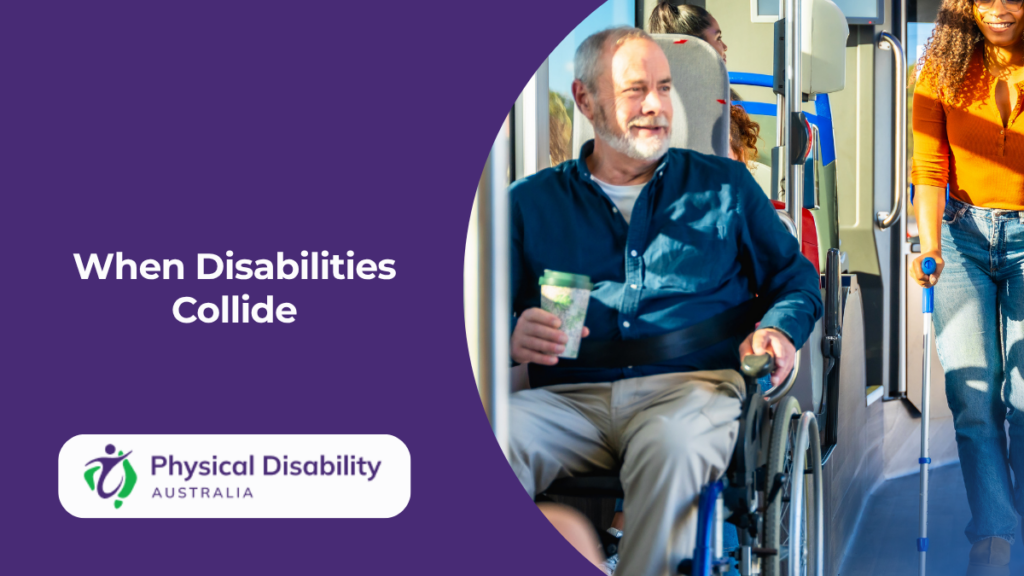
Some individuals may be able to walk independently, while others might use mobility aids like ankle supports, crutches or wheelchairs. In some cases, support may be needed to complete everyday tasks. Many people living with a physical disability also manage chronic pain and fatigue as part of their daily experience.
As the likelihood of disability increases as we age, approximately half of Australians aged 65 and over will experience some form of physical disability during their later years.
Advocating to government, creating equal opportunities
Promote diversity and inclusion
Reflect our values within the organisation
Human Rights
Integrity
Inclusion
Self-Empowerment
Dignity for All
Representation
Effective Policy
Solution-Focused
Participatory Engagement
Effective Governance
Future Proofing
Morbi condimentum felis non tortor blandit, at dapibus nisl luctus. Maecenas in fringilla urna. In vel magna suscipit eros maximus placerat.
Inclusion
Advocacy
Empowerment
Man seated with prosthetic leg
By joining PDA you help us develop a comprehensive and diverse membership base. This means PDA can speak authoratively on behalf of a broad range of lived experience. The more members PDA has, the more our submissions and activities will be noticed and respected.
It is free to join PDA as a member and membership is open to individuals living with a physical disability, family and friends, and those with a positive interest in supporting Australians living with physical disability.
We provide systemic advocacy to uphold the rights and voices of Australia’s physical disability community.
We build community, connection and relationships to support our members and the wider disability community.
We are a leading force working with Government and other Disability Representative Organisations (DROs) in improving the lives and inclusion of people living with disability.
Please be advised that we do not provide individual advocacy support. If you require this, please see the “See Services Link“.
Join us at a PDA hosted events such as our monthly Social Hour and Webinars.
We also encourage members to get involved in one of our committees and organisational groups. Email team@pda.org.au for more information.
Members are also invited to take part in forums and roundtables (including exclusive paid opportunities). Detailed information will be emailed to members as they become available.
Physical Disability Australia (PDA) was established in 1995. Its founding members were people living with physical disability who recognised that they were not being represented within the advocacy space at that time.
Whether you’re living with a disability, know someone who is, or simply believe in equal rights — your voice matters.
Together, we can break barriers and build a more inclusive world.